

Grocery delivery app Blinkit introduces emergency ambulance service, raising concerns over worker treatment, private healthcare, and reliability.
Blinkit, a company known for fast grocery deliveries, has announced a 10-minute ambulance service. This new initiative has sparked discussions in India about its impact on gig workers and emergency healthcare.
CEO Albinder Dhindsa stated that the goal is to provide affordable emergency transport, starting with five ambulances in Gurugram, near Delhi, before expanding across India in the next two years.
Each ambulance is equipped with oxygen cylinders and defibrillators, and the service costs a flat fee of ₹2,000 (£19) per trip. Dhindsa emphasized that the service is not for profit, but aims to fill critical gaps in India’s emergency healthcare system.
Concerns Over Gig Worker Exploitation
Despite these claims, many people worry about how gig workers—who already face tough working conditions—will be affected.
Comedian Kunal Kamra criticized Blinkit and other delivery apps like Zomato and Swiggy, accusing them of exploiting workers with long hours and low pay.
In a viral social media post, he demanded transparency on wages, working hours, and accident compensation, saying:
"These platforms exploit gig workers. They aren’t job creators, they are landlords without owning land."
Although Blinkit claims that workers can earn up to ₹50,000 (£467) per month, many delivery agents disagree.
A delivery worker, Dinesh Nalam, shared that making ₹25,000 (£234) is already difficult, and earning ₹40,000 (£374) is extremely rare. Reports from Bengaluru and Hyderabad show per-delivery earnings as low as ₹24 (£0.22) and ₹50 (£0.46).
India’s Ambulance Shortage
India has long struggled with ambulance shortages.
A 2020 report showed only 7,814 registered ambulances in the country. This number increased to 14,236 in 2021 due to the COVID-19 crisis but has since dropped to 11,950 in 2023.
During the pandemic, many patients died waiting for ambulances, highlighting the need for better emergency services. While Blinkit’s new service could help, critics argue that private companies cannot replace government healthcare reforms.
The Bigger Question: Who Should Provide Emergency Healthcare?
Blinkit’s 10-minute ambulance service has started an important conversation about healthcare privatization and worker rights in India.
While some see it as a positive step towards better emergency services, others worry that it highlights larger failures in the system.
Should private companies fill the gap, or should the government improve public healthcare infrastructure?
Let us know your thoughts.
to interact with this post.
Topics included
Social.
Snapshot.
Instantly create a share-worthy social post for this post.

Explore similar content
India's Silent Epidemic: Why 1 in 2 Indians Tested Has High Blood Sugar?
A recent nationwide analysis of over 4 million HbA1c test results has exposed a massive, hidden health crisis in India: one in every two people tested shows irregular or high blood sugar levels.

Croatia Joins Global Top 20 for Quality of Life in 2025
Croatia’s steady rise in global living standards has reached an important milestone: according to the 2025 Numbeo Quality of Life Index, the country is now ranked 20th worldwide, cracking the top 20 for the first time with an impressive score of 181.7. This breakthrough reflects a combination of improved indicators—purchasing power, safety, healthcare, climate, cost of living, and commute times, all fields in which Croatia has posted consistently positive results over recent years.
Melatonin Use Linked to Increased Heart Failure Risk, Preliminary Study Finds
New research presented by the American Heart Association suggests that long-term melatonin use may be linked to a higher risk of heart failure, though medical experts stress that more data is needed before drawing firm conclusions.
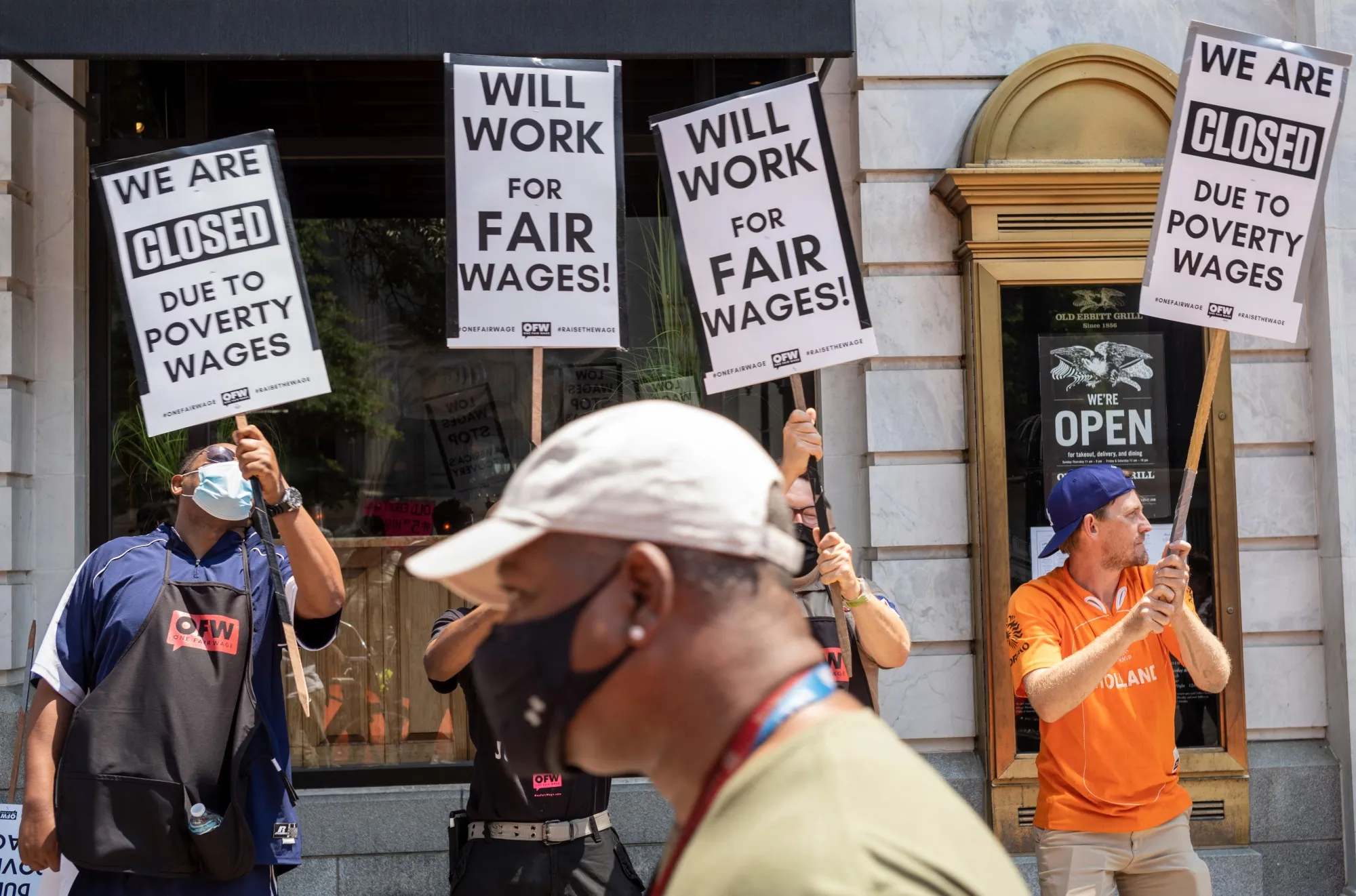
U.S. Wages Still Trail Inflation: Teachers Hit Hardest While Healthcare and Hospitality Workers Gain
American workers continue to experience eroded purchasing power four years after pandemic-driven inflation began, with wages falling 1.2 percentage points behind rising costs since early 2021, according to Bankrate's 2025 Wage to Inflation Index released August 18.

Why Excessive Pornography Consumption Is Harmful to Your Health
In an age where digital content is at our fingertips, pornography is more accessible than ever. While it's easy to brush off occasional use, excessive consumption of porn can have a profound impact on both mental and physical health. Here’s why it’s crucial to understand the dangers of porn addiction and the negative effects it can have on your life.
One Hour of Daily Screen Time Can Increase Myopia Risk by 21%, Study Finds
In today’s digital age, screen time has become an unavoidable part of life, whether for work, education, or entertainment. However, a new study warns that even one hour of daily screen exposure can significantly raise the risk of myopia (nearsightedness).