

In recent years, the world of cybersecurity has been dramatically changed by the emergence of generative AI. This technology, which can create content like text, images, and even code, has become a powerful tool for both good and bad. While AI can help protect organizations from cyberattacks, it also enables cybercriminals to launch more sophisticated and convincing attacks. In this blog, we will explore how generative AI is reshaping the cybersecurity landscape and what businesses can do to protect themselves.

The Dual Nature of AI in Cybersecurity
Generative AI has a dual impact on cybersecurity:
- Defense: AI tools can automate threat detection and response, making it easier for businesses to defend against cyberattacks.
- Offense: Cybercriminals use AI to create highly convincing phishing emails, malware, and deepfake videos that can trick even the most tech-savvy individuals.
This makes it essential for organizations to stay informed and adopt proactive strategies to safeguard their systems.
Types of AI-Driven Cyberthreats
As AI technology evolves, so do the methods used by cybercriminals. Here are some key types of AI-driven threats:
- Phishing Attacks: Generative AI allows attackers to craft personalized phishing emails that are much more convincing than traditional scams. By analyzing data about potential victims, these emails can appear highly relevant and trustworthy, making them harder to detect.
- Automated Malware Creation: AI can quickly create and adapt malware to exploit specific vulnerabilities in software or security systems. This adaptability makes it difficult for traditional security measures to keep up.
- Deepfake Attacks: Cybercriminals use AI-generated videos and audio to impersonate trusted individuals within an organization. This tactic is particularly dangerous in financial fraud cases, where attackers may pose as executives to authorize unauthorized transactions.
- Ransomware: Generative AI enhances ransomware by identifying weaknesses in corporate networks. It can tailor its attacks based on real-time analysis of network defenses, making recovery more complex and costly.
Challenges for Cybersecurity Teams
Cybersecurity teams are under increasing pressure to combat these sophisticated threats. A significant number of security professionals have reported that generative AI has led to a rise in attacks. To effectively counter these threats, teams must develop expertise in AI technologies. This requires ongoing training and education to bridge the skills gap in cybersecurity.
Protecting Your Organization
Business leaders have a crucial role in safeguarding their organizations against AI-driven cyberthreats. Here are some strategies they can implement:
- Invest in AI-Powered Defense Solutions: Organizations should adopt advanced AI tools that help identify threats faster and more accurately than traditional methods. These tools can analyze patterns and detect unusual behavior in real time.
- Regular Employee Training: Employees are often the first line of defense against cyberattacks. Training them to recognize suspicious emails and deepfake content is essential for reducing the risk of breaches.
- Proactive Monitoring and Threat Intelligence: Implementing AI-driven monitoring systems allows organizations to anticipate potential threats and respond before damage occurs. Early detection is key to minimizing financial losses from cyberattacks.
Conclusion
As generative AI continues to evolve, it presents both opportunities and challenges in the cybersecurity landscape. Organizations must be proactive in adopting advanced technologies while also prioritizing employee training and awareness. By staying informed about emerging threats and investing in robust cybersecurity strategies, businesses can better protect themselves against the growing rise of AI-driven cyberthreats.
to interact with this post.
Topics included
Social.
Snapshot.
Instantly create a share-worthy social post for this post.

Explore similar content

Fetch.ai Ecosystem: Building the Future of Autonomous AI Agents
Artificial Intelligence is evolving beyond chatbots that simply answer questions. The next step is developing intelligent systems that can make decisions, execute tasks, and collaborate with other systems. This is where Fetch.ai comes in.
Under the Hood: Offensive Security
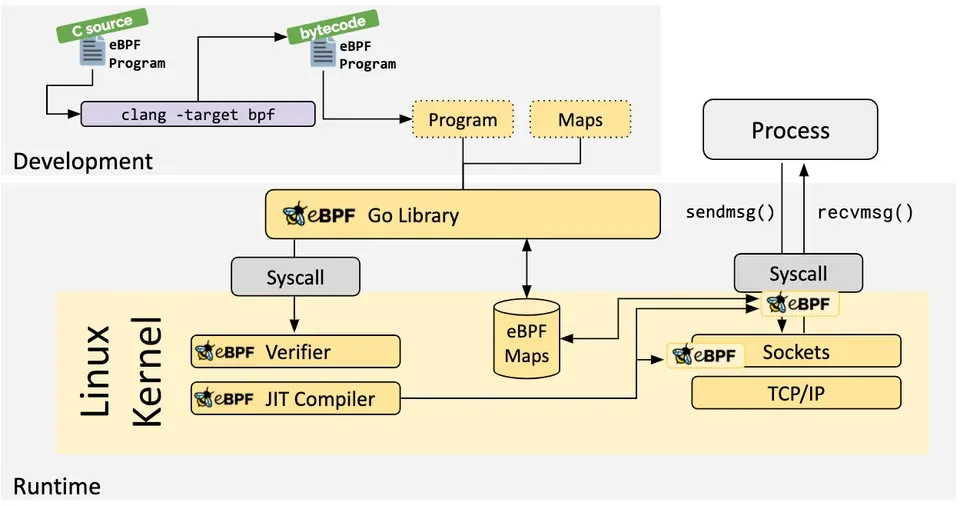
AegisSandbox was conceived to solve a critical blind spot in modern threat analysis: evasive malware routinely detects standard user-space hooks and debugging environments, concealing its true payload. Modern systems security is rarely won or lost at the user interface—it is determined deep within kernel space, container runtimes, and low-level API execution paths. While perimeter defense gets the headlines, true resilience requires understanding how attackers manipulate system calls and runtime boundaries to establish persistence. Designed to overcome these limitations, AegisSandbox is an ongoing project engineered to combine low-overhead eBPF kernel system-call interception with ChromaDB vector analytics and automated workspace emulation—delivering stealthy, real-time behavioral monitoring and AI-driven threat indexing directly from kernel space without tipping off the payload or compromising host performance.
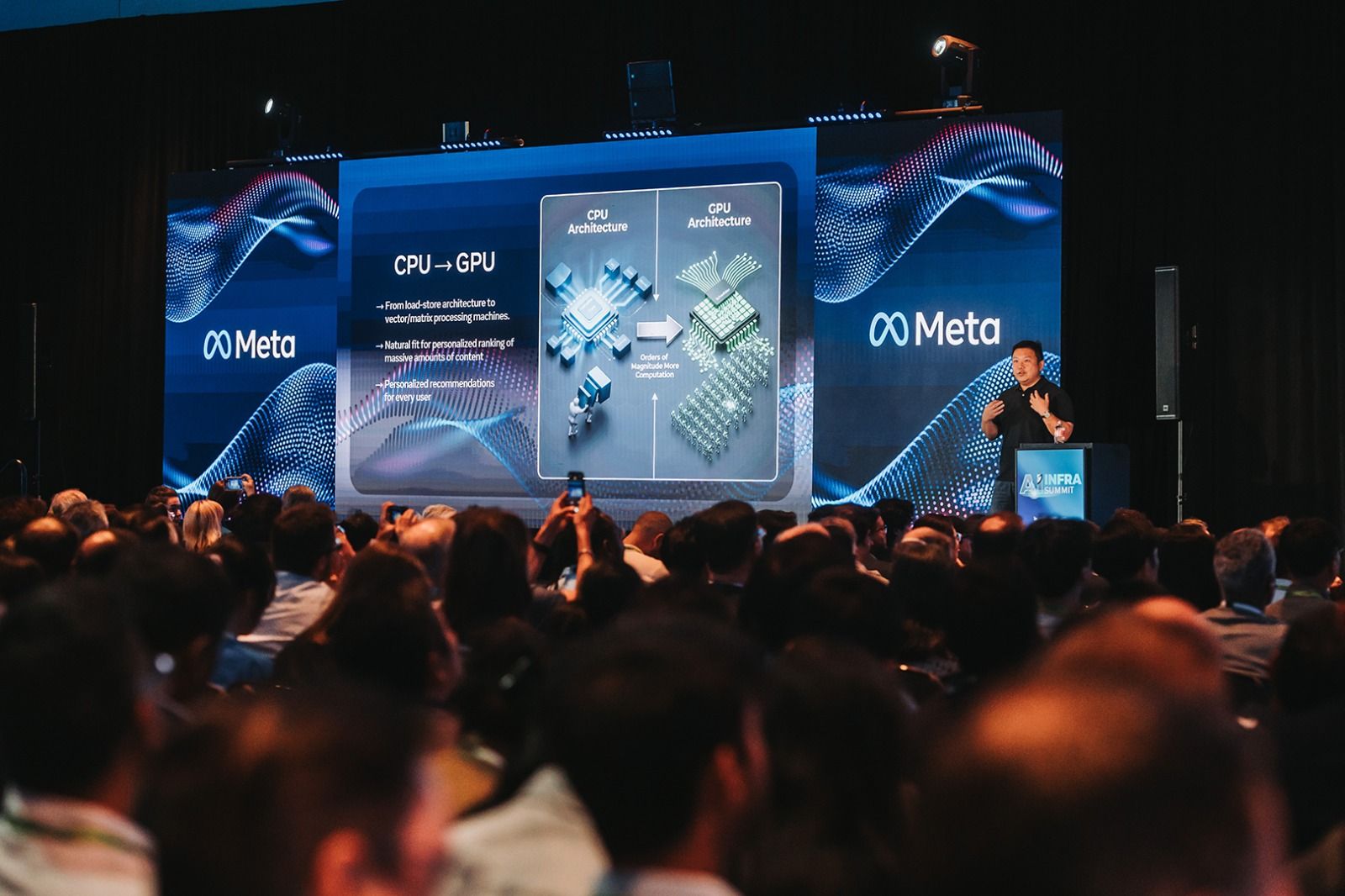
The Big Change in How Meta Workers Do Their Jobs with AI Pods
Meta is changing the way its employees work together in the office. In early 2026, the company started a brand new plan to change its internal structure. This new plan removes old office rules and creates very small teams. The company calls these small groups AI pods. Meta is testing this new style of working inside its Reality Labs group. Around 1,000 workers who make tools for software developers are using this system right now.

The Hidden Bias in AI Detectors And How Non-Native English Scholars Are Being Unfairly Targeted
In the age of AI-assisted writing, new research has uncovered a troubling reality: the very tools designed to detect AI-generated text may be unfairly penalizing non-native English speakers. A recent study published in PeerJ Computer Science highlights how AI detection tools like GPTZero, ZeroGPT, and DetectGPT often misclassify the work of international scholars, potentially damaging their academic careers.

How I Hacked My College Attendance Portal
Hello! I know many of the readers are students interested in techie blogs. It’s going to be quite interesting for you.

AI Boom Turns into Trillion-Dollar Market Shock, Investors Wake Up to Reality
Hey folks, last week the stock market took a big hit, especially in the software world. Investors are now realising that not every company will win big from artificial intelligence (AI). Banks like Deutsche Bank say this was coming because people were too hopeful before.