

The recent decision by former U.S. President Donald Trump to eliminate diversity policies has sparked widespread concern and debate. These policies, which were designed to promote inclusion and equity in workplaces, educational institutions, and government agencies, have been instrumental in creating opportunities for marginalized groups, including women, LGBTQ+ individuals, and people with disabilities. Their removal could have far-reaching consequences for organizations and the communities they serve.

What Were Diversity Policies?
Diversity policies were frameworks aimed at ensuring fair representation and equal opportunities for all individuals, regardless of their gender, sexual orientation, race, or disability status. They included measures such as:
- Affirmative Action: Programs to increase representation of underrepresented groups in hiring and promotions.
- Anti-Discrimination Protections: Safeguards against bias in recruitment, pay, and workplace treatment.
- Accessibility Requirements: Mandates for accommodations to support employees with disabilities.
- Inclusive Training: Workshops and programs to foster understanding and respect for divers
These policies were not just about fairness, they were also proven to benefit organizations by fostering innovation, improving employee morale, and enhancing productivity.
Impact on Organizations
Without diversity policies, organizations may face several challenges:
- Loss of Talent: Companies may struggle to attract and retain skilled workers from diverse backgrounds, limiting their ability to innovate and compete.
- Increased Discrimination: Without clear guidelines, biases in hiring, promotions, and workplace culture could resurface, leading to unequal treatment.
- Reputation Damage: Organizations that fail to prioritize diversity risk losing public trust and facing backlash from consumers and employees.
- Legal Risks: While federal diversity mandates may be removed, some states and local governments may enforce their own policies, creating a patchwork of regulations that organizations must navigate.
Impact on Women
Diversity policies have been crucial in advancing gender equality in the workplace. Their removal could:
- Widen the Gender Pay Gap: Without oversight, women may face unequal pay and fewer opportunities for advancement.
- Reduce Leadership Representation: Programs encouraging women to take on leadership roles may disappear, slowing progress toward gender parity.
- Increase Workplace Harassment: Protections against gender-based discrimination and harassment may weaken, creating hostile work environments.
Impact on LGBTQ+ Individuals
LGBTQ+ communities have benefited significantly from diversity policies, which have helped create safer and more inclusive spaces. The removal of these policies could:
- Roll Back Protections: LGBTQ+ employees may face increased discrimination in hiring, promotions, and workplace treatment.
- Reduce Visibility: Programs celebrating LGBTQ+ contributions and fostering understanding may be dismantled.
- Harm Mental Health: A lack of inclusion can lead to higher levels of stress, anxiety, and isolation among LGBTQ+ individuals.
Impact on People with Disabilities
Diversity policies have been vital in ensuring accessibility and equal opportunities for people with disabilities. Their elimination could:
- Limit Accessibility: Mandates for workplace accommodations, such as ramps or assistive technologies, may no longer be enforced.
- Reduce Employment Opportunities: Without affirmative action, people with disabilities may face greater barriers to finding and retaining jobs.
- Undermine Inclusion: Efforts to create inclusive environments may be deprioritized, leading to exclusion and marginalization
Why Diversity Policies Were Good
- Economic Benefits: Diverse organizations are more innovative and profitable, as they bring varied perspectives and ideas to the table.
- Social Progress: These policies have helped break down systemic barriers, creating opportunities for historically marginalized groups.
- Workplace Culture: Inclusive environments foster collaboration, respect, and employee satisfaction, leading to higher retention rates.
- Legal Compliance: Diversity policies ensured organizations adhered to anti-discrimination laws, reducing the risk of lawsuits and penalties.
What's Next?
While the removal of federal diversity policies is a setback, organizations can still take proactive steps to promote inclusion:
- Voluntary Initiatives: Companies can adopt their own diversity and inclusion programs, even without government mandates.
- Employee Advocacy: Workers can push for inclusive practices through unions, employee resource groups, and public campaigns.
- State and Local Policies: Some regions may continue to enforce diversity measures, providing a framework for organizations to follow.
The elimination of diversity policies represents a significant step backward in the fight for equality and inclusion. For women, LGBTQ+ individuals, and people with disabilities, the consequences could be profound, affecting their access to opportunities, safety, and well-being. However, the fight for diversity and inclusion is far from over. By continuing to advocate for equitable practices, organizations and communities can work together to create a more just and inclusive society.
to interact with this post.
Topics included
Social.
Snapshot.
Instantly create a share-worthy social post for this post.

Explore similar content
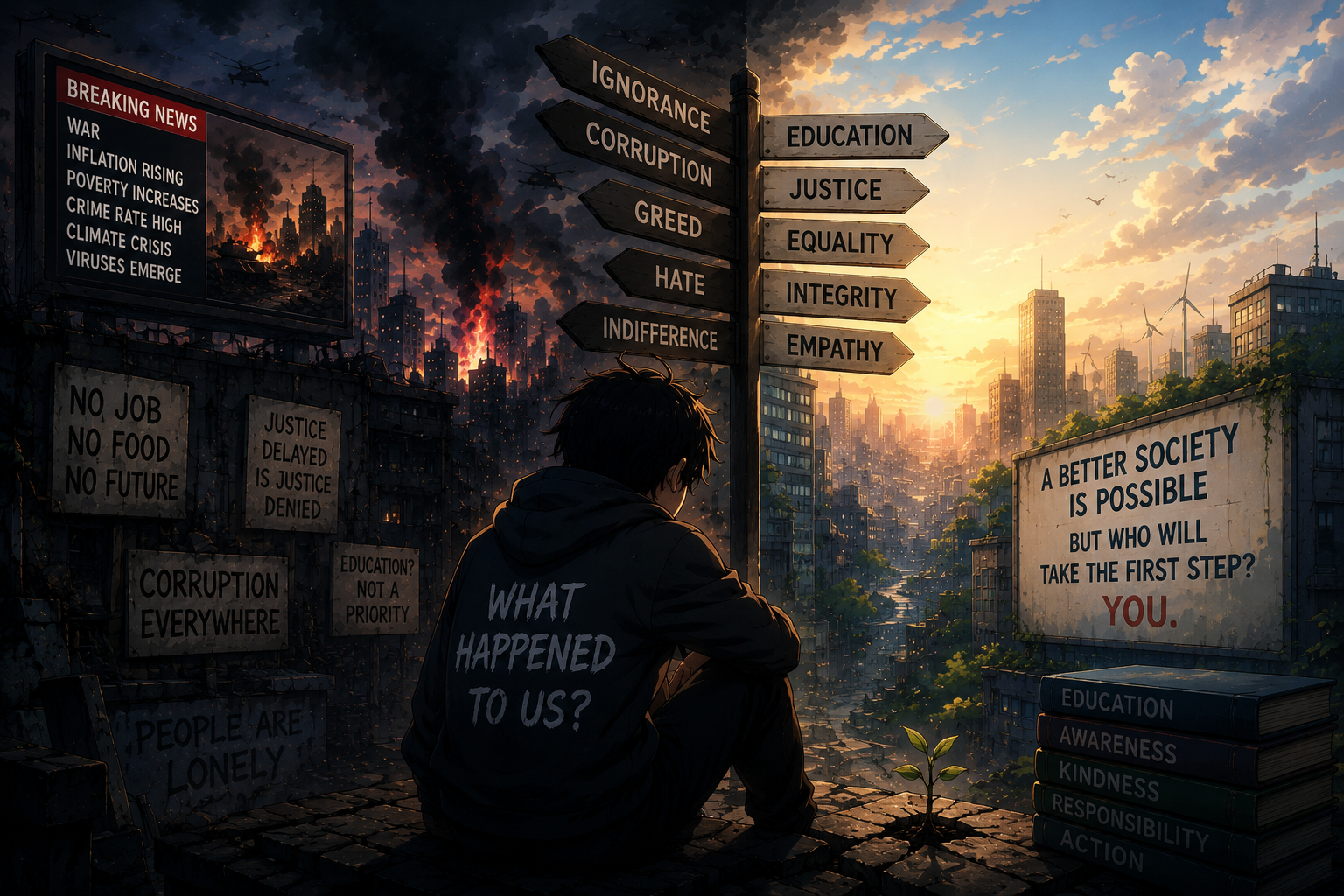
Why I Hate Society?
Well, the title is just rage bait, but sometimes I honestly hate seeing the condition of human society. I mean, literally—from the global level to the smallest villages.

The Western Balkans: Where Culture and Creativity Thrive
The Western Balkans are a region with a rich story, woven from centuries of diverse cultures, art, and traditions. Yet, what’s happening today might be just as exciting as anything in the past. The “Culture and Creativity for the Western Balkans” (CC4WBs) project is bringing new energy to the region, helping creative people and cultural institutions unlock their full potential. Here’s a closer look at how this ambitious project works—and, more importantly, why it matters.

Accenture Drops Diversity Goals Amid Political Shifts: A Blow to Corporate Inclusion?
Accenture, a global consulting giant, has decided to abandon its long-standing diversity, equity, and inclusion (DEI) goals, citing shifts in the U.S. political climate. In an internal memo seen by Reuters, CEO Julie Sweet announced the company would phase out its 2017 diversity targets and career development programs aimed at specific demographic groups. This move aligns with a broader trend among major corporations, including Meta, Alphabet, and Amazon, which have scaled back DEI initiatives following Donald Trump’s return to the White House in January 2025.