

NASA’s Juno spacecraft, launched in 2011 and orbiting Jupiter since 2016, continues to revolutionize our understanding of the gas giant and its moons. Despite a malfunctioning thruster that now keeps it in a wide, looping orbit, Juno’s latest findings reveal jaw-dropping details about Jupiter’s chaotic polar cyclones and a record-breaking volcanic eruption on its moon Io—the most violent ever seen in our solar system.
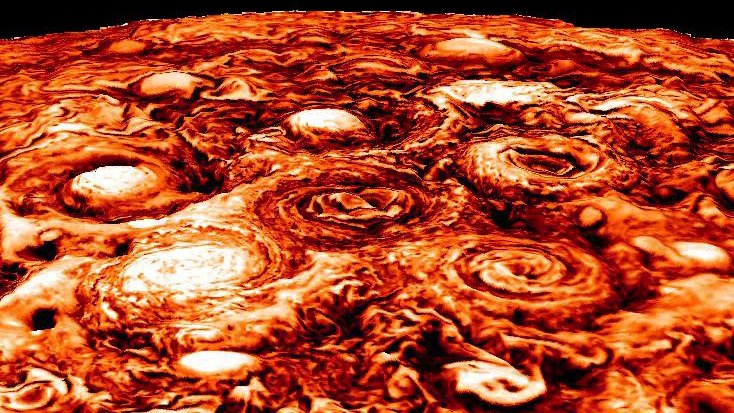
Jupiter’s Polar Cyclones: A Stormy Cosmic Ballet
Juno’s recent images of Jupiter’s north pole reveal a mesmerizing storm system dwarfing anything on Earth. At its heart lies a colossal cyclone spanning 1,864 miles (3,000 km)—wider than the continental U.S.—surrounded by eight smaller cyclones, each 1,490 to 1,740 miles (2,400–2,800 km) across. These storms are locked in a dynamic dance, stabilized by competing forces like beta drift, a phenomenon seen in Earth’s hurricanes where storms repel each other like magnets.
“The cyclones bounce off one another like springs in a machine,” explains Yohai Kaspi, a Juno mission scientist. This interaction creates a stable yet swirling arrangement, rotating clockwise amid jet streams exceeding 100 mph (160 km/h). Juno’s JunoCam and JIRAM (Jovian Infrared Auroral Mapper) instruments captured these storms in visible and infrared light, revealing cooler stratospheric hazes that add to the mystery of their longevity.
Io’s Volcanic Inferno: A Moon on Fire
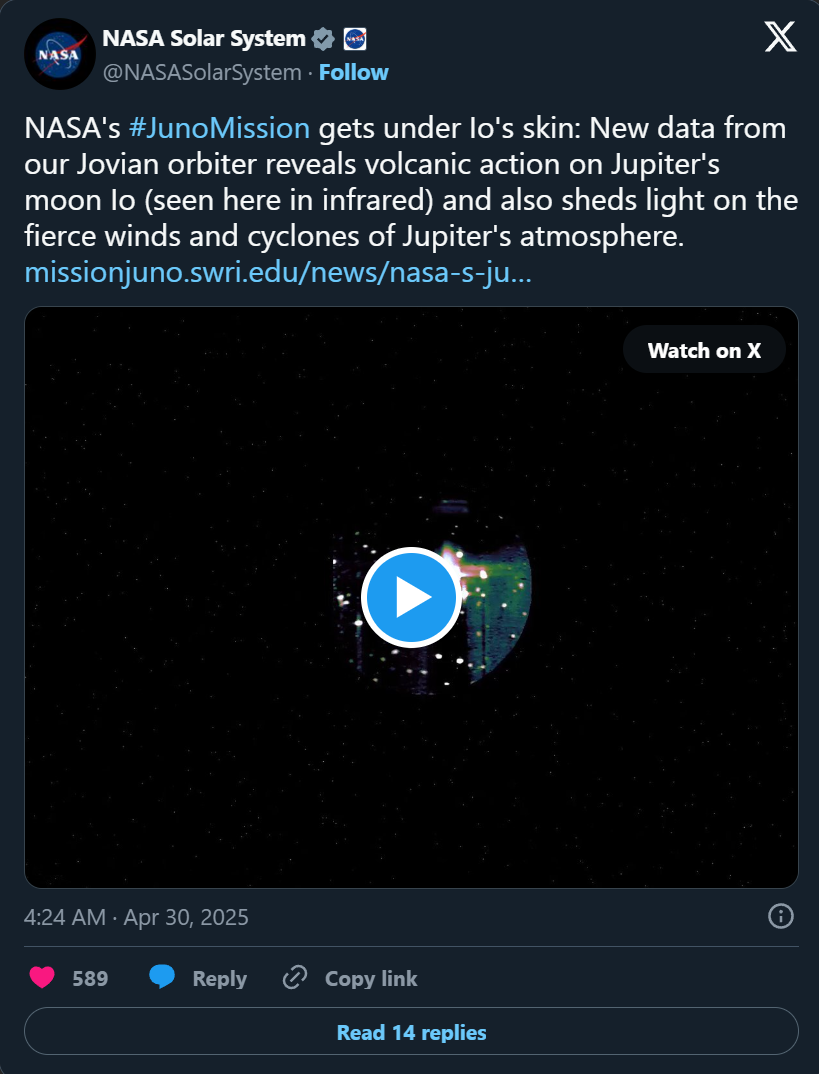
Jupiter’s moon Io, the most volcanically active world in our solar system, recently stunned scientists with its largest-ever recorded eruption. During a close flyby on December 27, 2024, Juno observed a fiery plume bursting from Io’s surface, fueled by Jupiter’s immense gravitational pull. This tidal force warps Io’s interior, creating vast magma reservoirs that erupt through hundreds of volcanic vents.
The eruption was still active during Juno’s March 2 flyby and is expected to rage on when the spacecraft returns for another close pass on May 6, 2024, skimming just 55,300 miles (89,000 km) above Io’s surface. These observations are helping scientists unravel the moon’s molten dynamics and its role in shaping Jupiter’s magnetosphere.
Juno’s Legacy and Future
Despite its aging hardware, Juno remains a powerhouse of discovery. Its elliptical 53-day orbit allows it to study Jupiter’s poles and moons in unprecedented detail. The mission has already reshaped our understanding of Jupiter’s atmosphere, magnetic field, and storm systems, while Io’s volcanic activity offers clues about the tidal forces shaping icy moons like Europa.
As Juno continues its extended mission, each flyby promises new insights into the solar system’s most extreme environments. From hurricane-like cyclones larger than continents to lava-spewing moons, Jupiter’s system is a testament to the awe-inspiring power of planetary forces.
to interact with this post.
Topics included
Social.
Snapshot.
Instantly create a share-worthy social post for this post.

Explore similar content
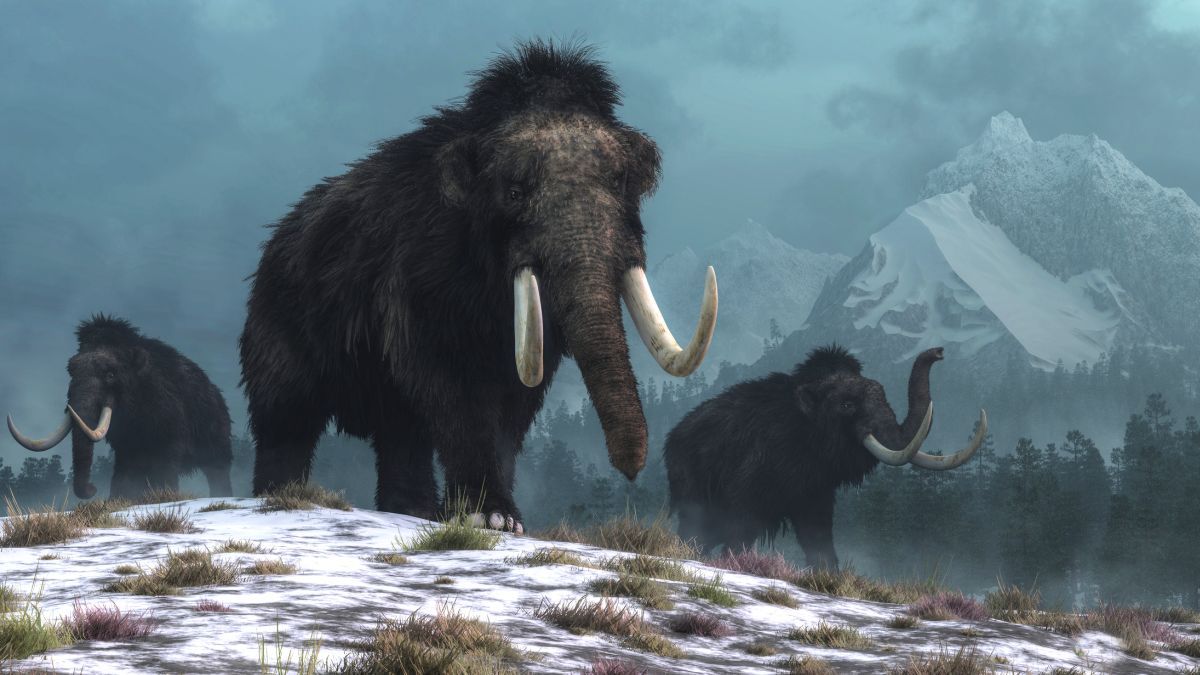
40,000 Year-Old Woolly Mammoth RNA Discovery Rewrites Extinction Science
A groundbreaking study has achieved the seemingly impossible: scientists have successfully extracted and sequenced ancient RNA from the frozen remains of a woolly mammoth that roamed Siberia nearly 40,000 years ago. This incredible feat shatters previous beliefs about how long RNA, the fragile single-stranded molecule of life, can survive, offering an unprecedented window into the biology of extinct Ice Age animals.
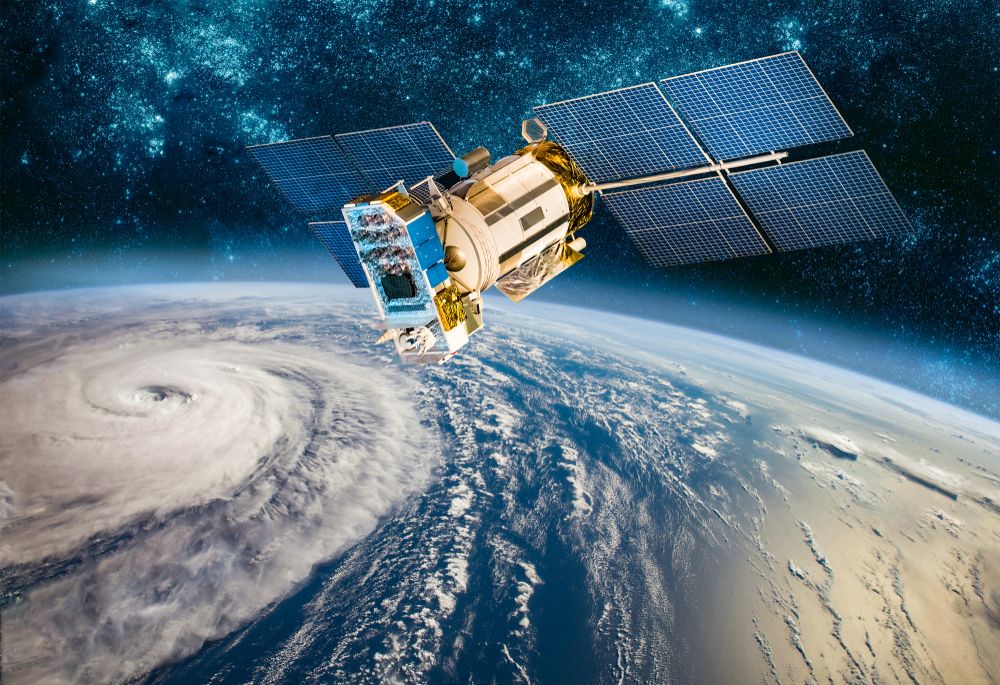
India plans to land astronauts on moon by 2040
On a humid morning in Sriharikota earlier this year, Dr. V. Narayanan stepped onto the dais with the calm precision of a man who has spent his life around rockets. Known for his mastery of cryogenic engines, Narayanan had just taken over as Chairman of the Indian Space Research Organisation (ISRO). His message was neither cautious nor bureaucratic, it was bold. India, he declared, must aim not just for launches and landings, but for human spaceflight, lunar sample returns, and even its own space station.
Ozone layer continues healing 40 years after Vienna Convention
World Ozone Day 2025 celebrated on September 16 marks four decades of unprecedented international environmental cooperation, as the global community commemorates the 40th anniversary of the Vienna Convention for the Protection of the Ozone Layer and continues to witness the healing of Earth's protective shield.

Tulane Scientists Map the Changing Oxygen Levels in the World’s Oceans
Researchers at Tulane University have made important discoveries about how the amount of oxygen in the ocean has changed over thousands of years, and what this means for our climate future. By analyzing ocean floor sediments from the Arabian Sea, the team can measure past oxygen levels and link these findings to carbon dioxide levels in the atmosphere.
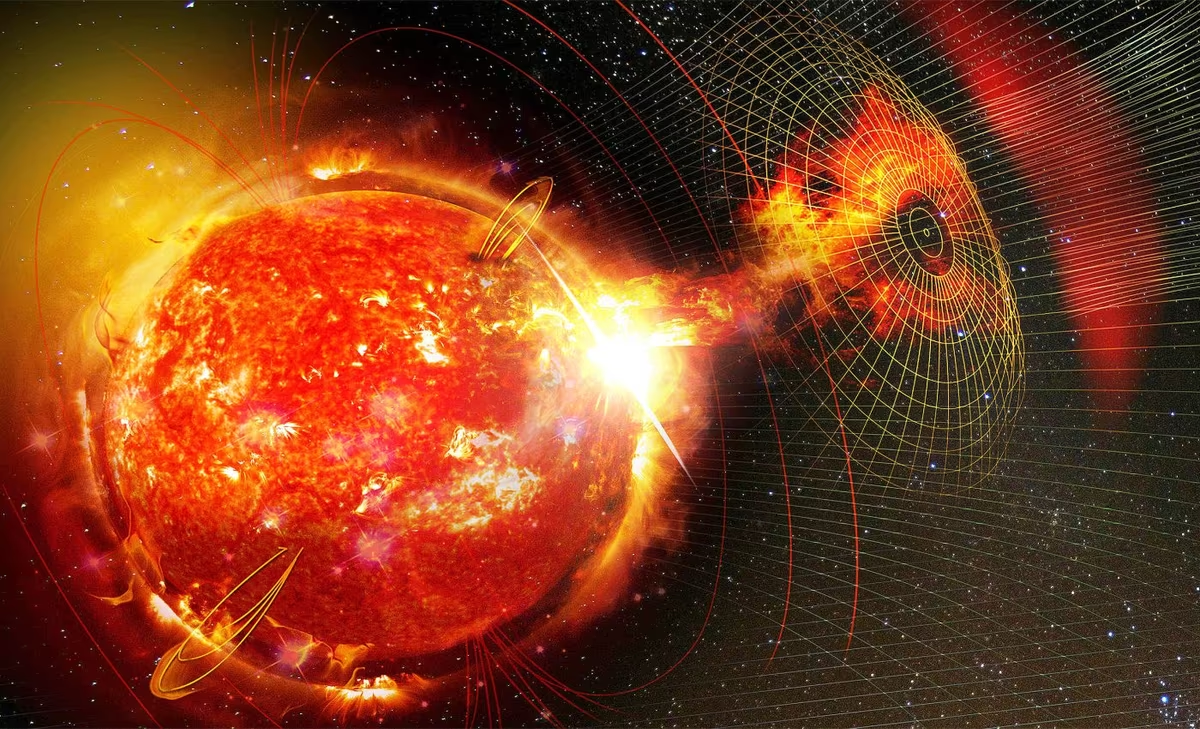
Astronomers find 'tunnels' of hot plasma between star systems
Astronomers have confirmed the existence of mysterious "interstellar tunnels" of hot plasma connecting our Solar System to distant star systems, according to a study published in Astronomy & Astrophysics. The discovery challenges traditional views of the void between stars as empty space.
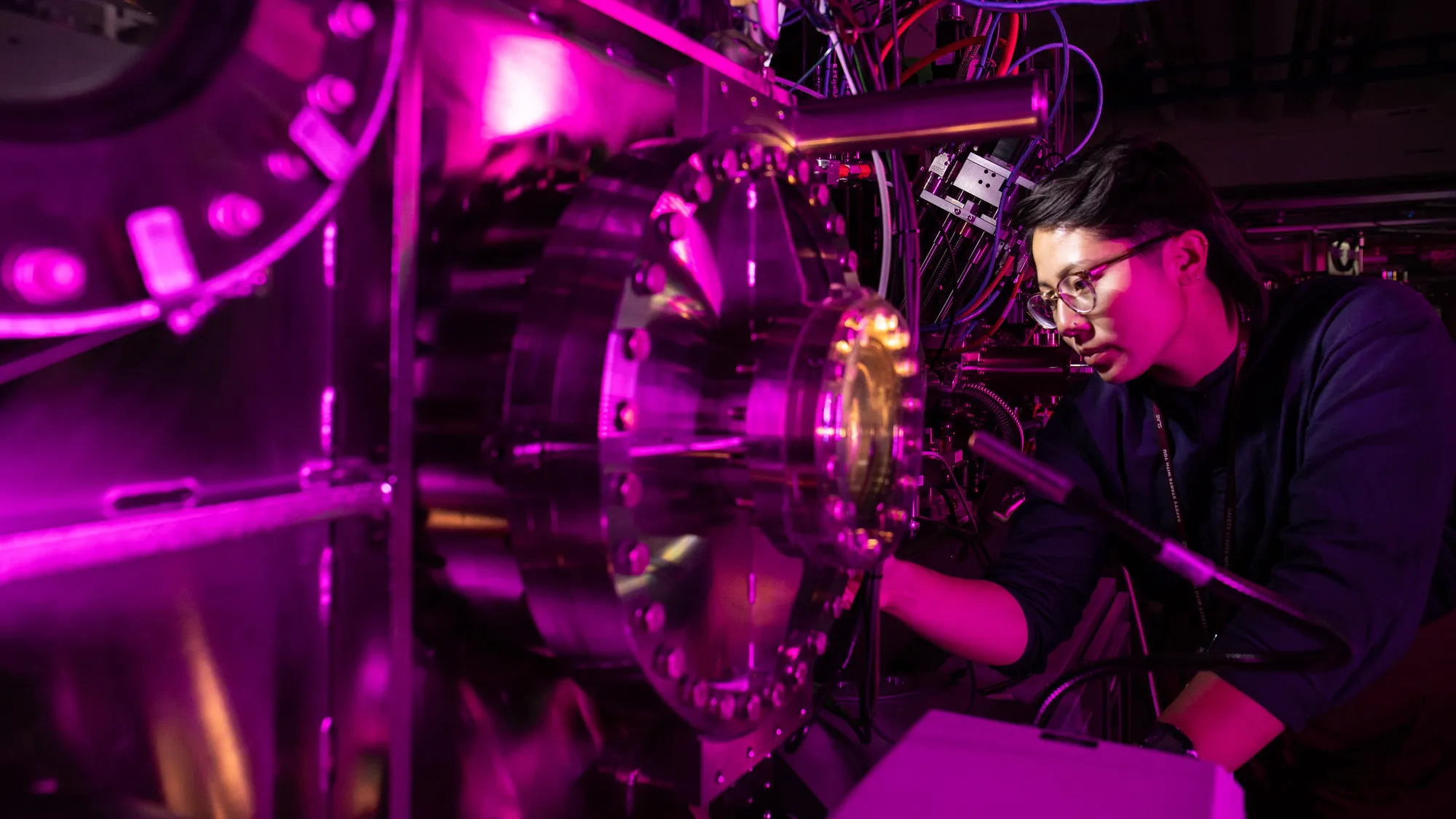
Atomic, Quantum, and Biomedical Breakthroughs Set to Transform Fundamental Research and Medicine
Scientists at Goethe University Frankfurt have achieved a breakthrough in quantum physics by directly capturing images of atomic motion at the quantum level using the world's most powerful X-ray laser facility. Working with the European XFEL in Hamburg, Germany, the team successfully photographed the perpetual "dance" of atoms within molecules, revealing quantum zero-point motion that persists even at absolute zero temperature.